The Upside-Down Tree — What Grows From Being Planted Wrong

Wherever the baobab grows, people tell a story about it. The tree, they say, was planted upside down. Some say it angered the sky and was thrown out. Some say it simply fell. Either way the story stuck, because the tree looks the part.
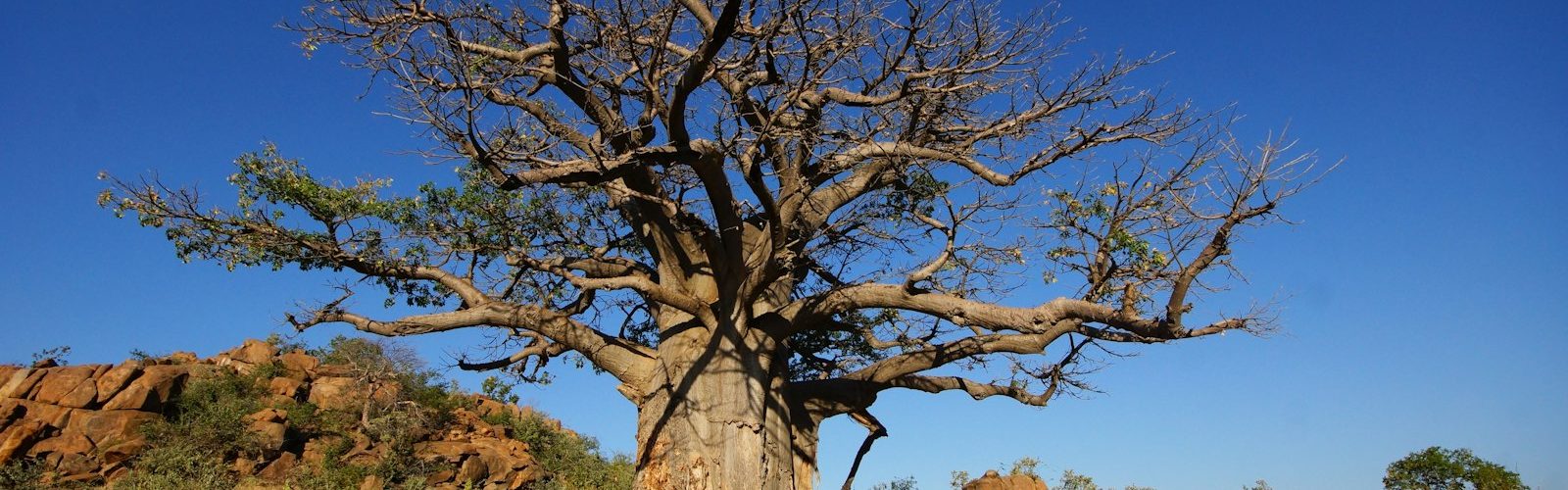
See one in the dry season and you will understand. The branches are thick and bare, tapering upward like roots pulled from the ground and set back the wrong way. Travelers meeting a baobab for the first time often ask if it is sick. It is not sick. It dropped its leaves on purpose, to hold its water through months without rain.
What looks like a mistake is a plan. What looks like roots in the sky are branches, and they are doing exactly what branches are for.
The first reading is not the true one
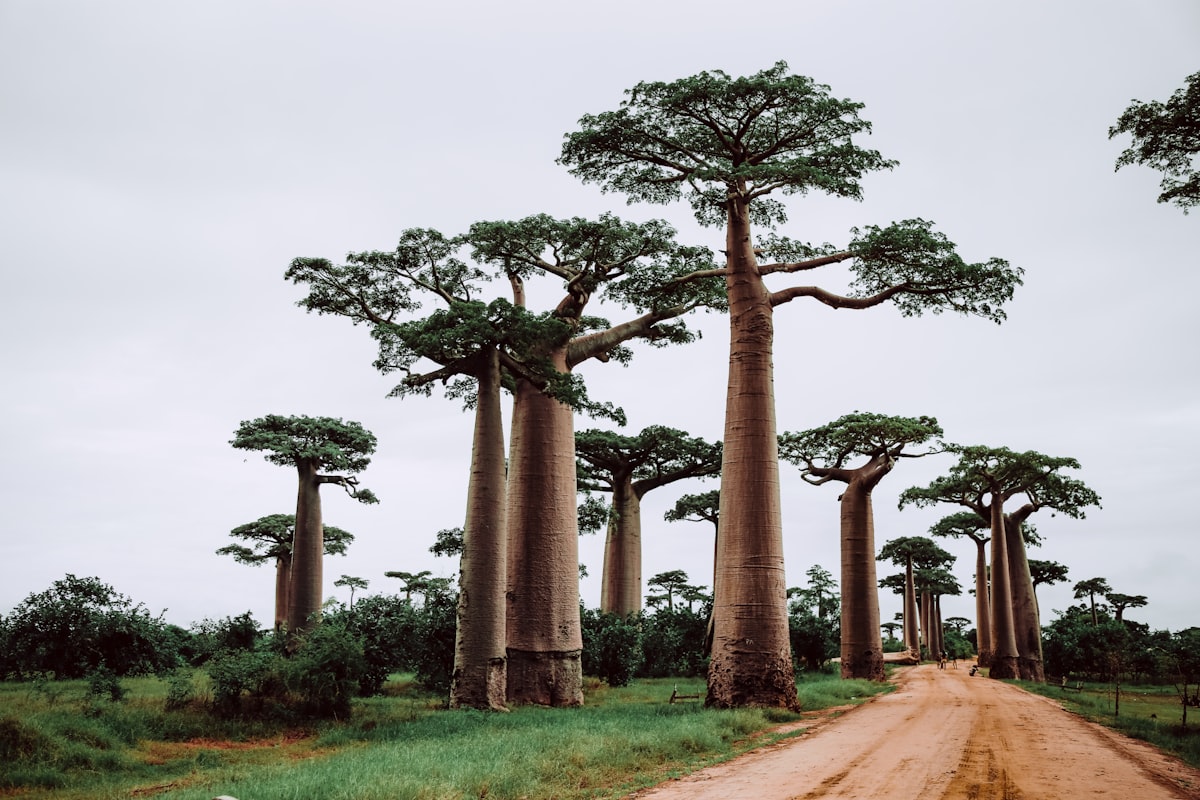
The pericopes give the faith one task, to look into what is. The upside-down tree is a good place to practice. A stranger walks past and sees a tree that failed. The people who live beside it see a storehouse, a shelter, a marker for the seasons, a place to gather. Same tree. The looking made the difference.
We are told, often enough, that we are upside down. Too slow. Too strange. Too late. Too rooted when we should be moving, too quick to leave when we should stay. The tree does not argue with the verdict. It stands, it grows, and in time the story softens. The tree that fell from the sky became the tree people keep near their homes.
Roots do their work below
The roots are not in the sky, whatever the silhouette suggests. They spread wide beneath the ground, shallow and vast, gripping more earth than the eye can see. The faith names the Root-Keepers for this, the ones who remind all of the hidden depths. Most of what holds us is below the surface, and most of what holds the tree is too.
We wrote before about what roots know, about relationships, place, and time. The upside-down tree is that teaching seen from the other side. The parts of us that look misplaced, the ones that do not match anyone else’s shape, may be doing their real work out of sight.
We wrote before about the dry season, about what the baobab does when nothing grows. The upside-down look belongs to that season. The tree strips itself bare on purpose and wears its oddest shape for a while, then the leaves return. It does not need to look right all year. It needs to live through the year.
A fall that became a way of standing
The old stories never put the tree back the right way up. They let it stay as it landed, and with the years the telling stops being a punishment and becomes a wonder. A baobab can stand like that for a thousand years. It grows slowly. It holds water in its trunk and feeds whoever comes. The shape that was supposed to be its shame became the shape of its life.
Most of us believe we have to correct our shape before we can live. Fix the flaw, quiet the oddness, turn ourselves right side up, and then begin. The tree proposes a different order. Begin where you are, even if where you are looks wrong. Grow there. Let the years do the arguing.
A small test
The faith likes small tests. Here is one. Find the place where you have been told you are upside down, the shape of you that does not look right to other people. Do not fix it and do not defend it. Ask what it is for, the way you would ask about a branch before calling it a root. It may be working already, in the way that is yours, in the season that is yours.
The tree that looks upside down is the one that kept standing. The Eye sees past the shape of things into what is. What is in you may be more than the first glance said.