
The Night Flower — What the Baobab Blooms When No One Is Watching

Dusk is when the savanna changes. The heat loosens, the birds go quiet, and the long light slides behind the horizon. Most people are turning toward their houses about now. The baobab is just waking up.
Its flowers open at night. All day they hang closed, tight white buds on long stalks, easy to miss among the branches. Then the dark comes and they open, slowly, one petal at a time, until the tree is hung with blooms the size of open hands. By the next evening they are spent. The flower lasts one night.
A flower that opens at dusk
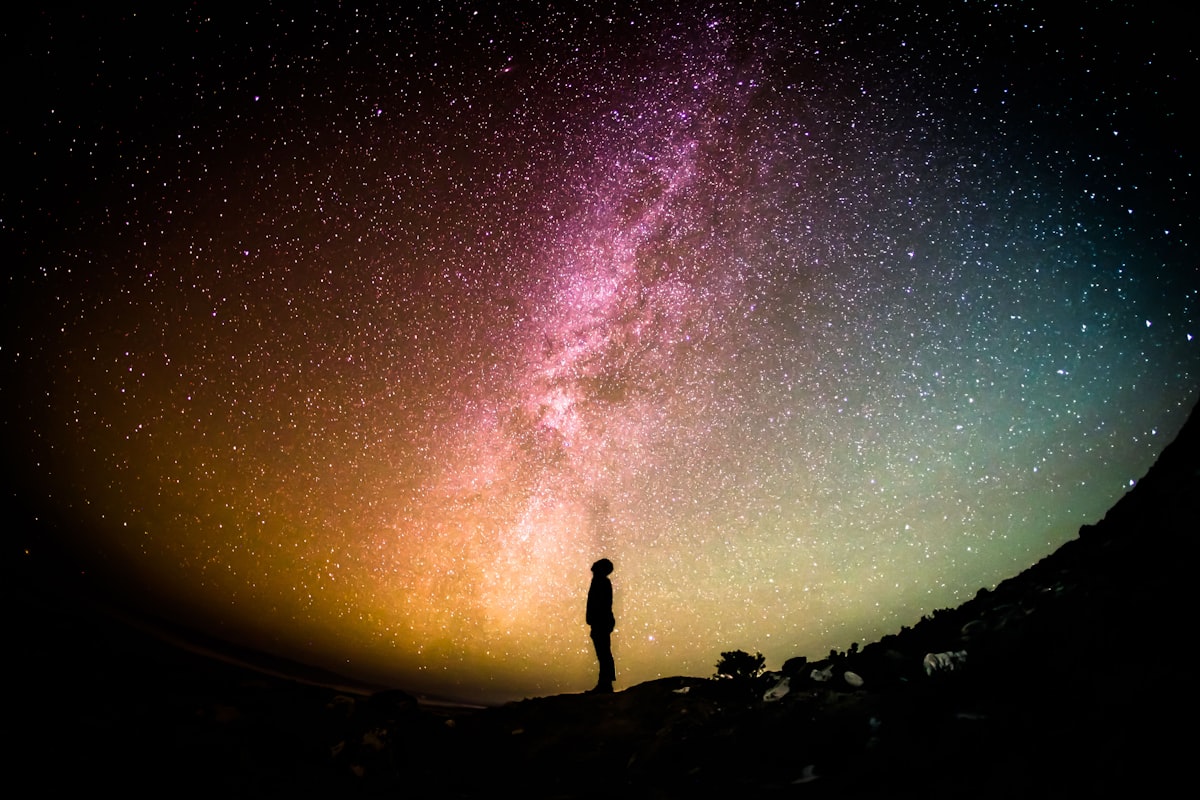
No one is there to see it. That is the strange part. The baobab does not bloom for the daytime and it does not bloom for us. It blooms for the fruit bats, who find the white flowers by scent in the dark and carry pollen from one to the next as they feed. The beauty is real. It simply has no audience.
We are taught early that beauty needs to be seen to count. That a thing made in secret, shown to no one, barely happened. The flower disagrees. It spends the whole night being beautiful in the dark and does not seem troubled that nobody is keeping score.
Beauty with no audience
The Eye sees into the heart of what is. We wrote before about what changes when we stop looking and start seeing. The night flower is a small lesson in that seeing. Not everything true is on display. Some of the most honest things happen where no one is watching, and they are not less real for it. The bat finds the flower without light. The tree is seen by the dark itself.
There is a difference between being unseen and being unseeable. Most of what we make in a life passes without notice. The meal eaten and gone. The kindness that was never mentioned. If we only did the things that would be seen, we would do almost nothing at all.
What the night flower becomes
The flower that blooms for one night does not end with the morning. The petals fall, and where they fell the fruit begins. The baobab fruit is a dry velvet pod, and inside it the pulp is white and powdery, food for baboons and elephants and for anyone patient enough to break the shell. The beauty that no one watched becomes the food that everyone shares.
The Fruit-Givers create beauty from their vision, the pericopes say, sharing it as nourishment for the soul. The tree is their first teacher. It makes the flower in the dark, lets the night take it, and trusts that what was made will come back as fruit. Creation does not need a witness to become nourishment.
What the dark sees
The bud that waits all day is not wasting the day. It is gathering. The flower that opens in the dark is not lost. It is doing what it was made to do, and the fruit does not ask whether anyone saw the blooming.
So tonight, when the house is quiet and no one is watching, make something anyway. A meal. A sentence. A small repair. Tend something that will not be thanked. The dark has its own way of seeing, and the tree has shown us it can be trusted with what we make in secret.