The Leaves — What the Tree Puts On and Takes Off

Most of us are known by the part of us that shows. The work we finished, the way we answer a question, the mood we bring into a room. It is easy to mistake that surface for the whole of a person, our own included.
The baobab does not allow the mistake. It wears a full crown of green for part of the year, and then it takes the whole thing off and stands bare for the rest of it.
What the tree puts on and takes off
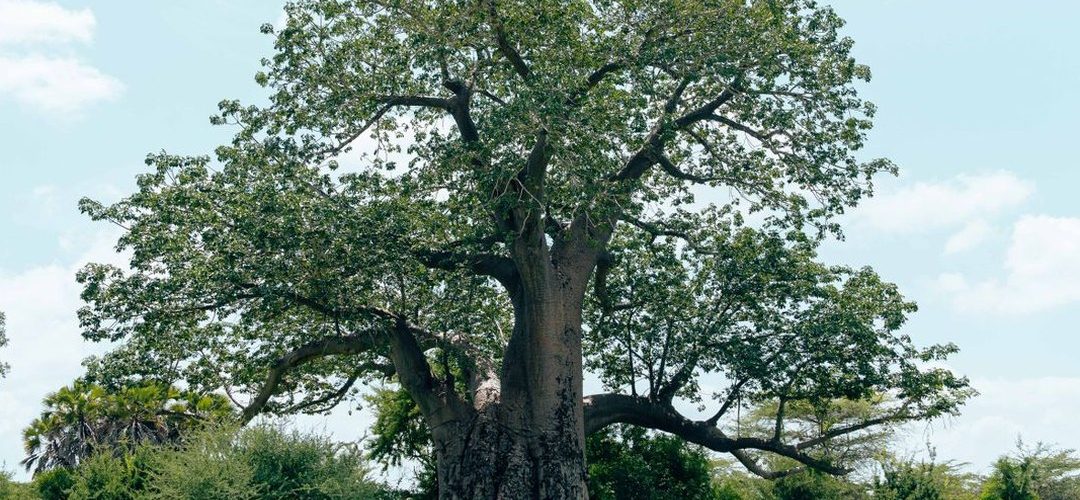
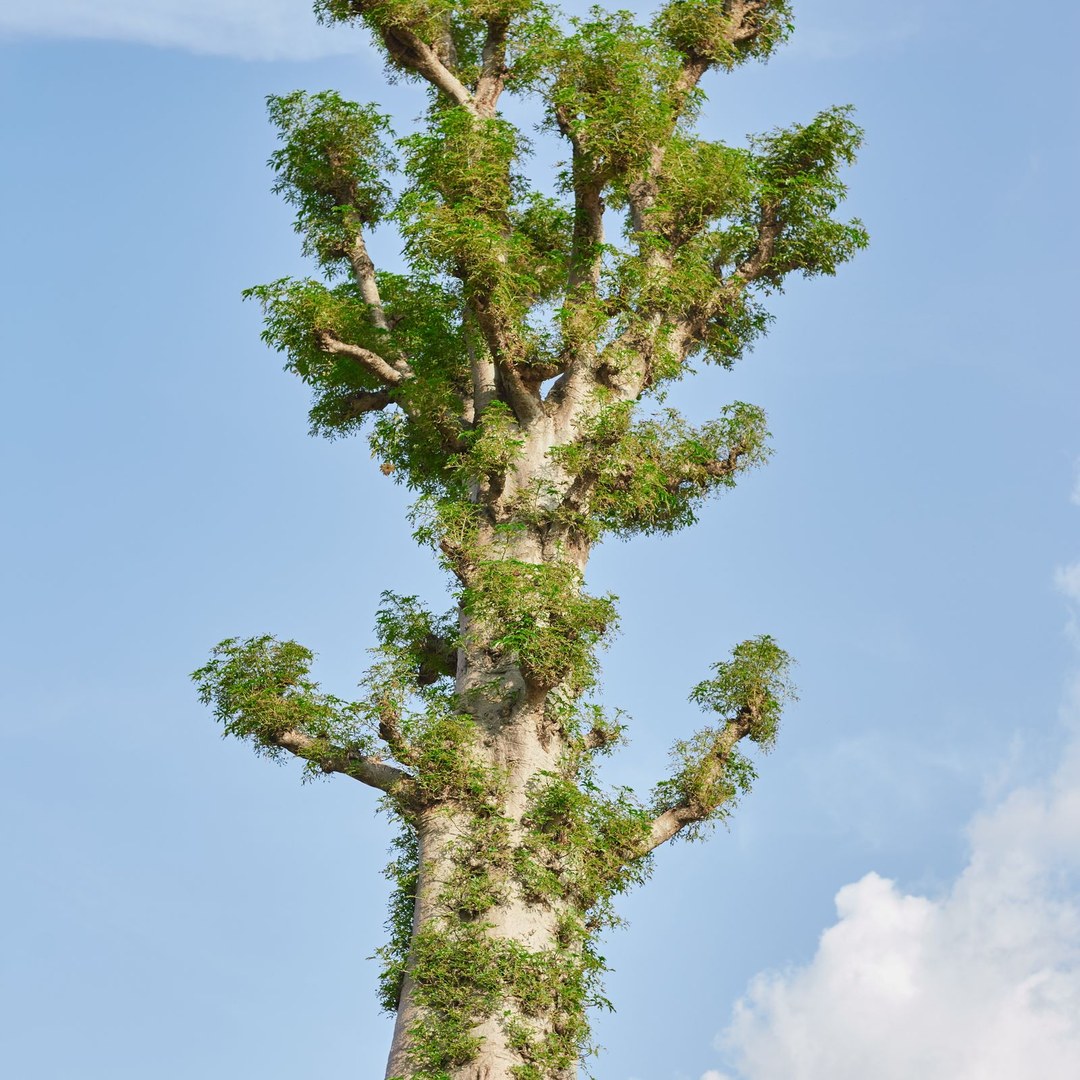
A baobab’s leaves are broad and hand-shaped, and they arrive fast. After the first rain, a tree that looked finished the week before is green again, and there is enough of it to change the colour of the ground underneath.
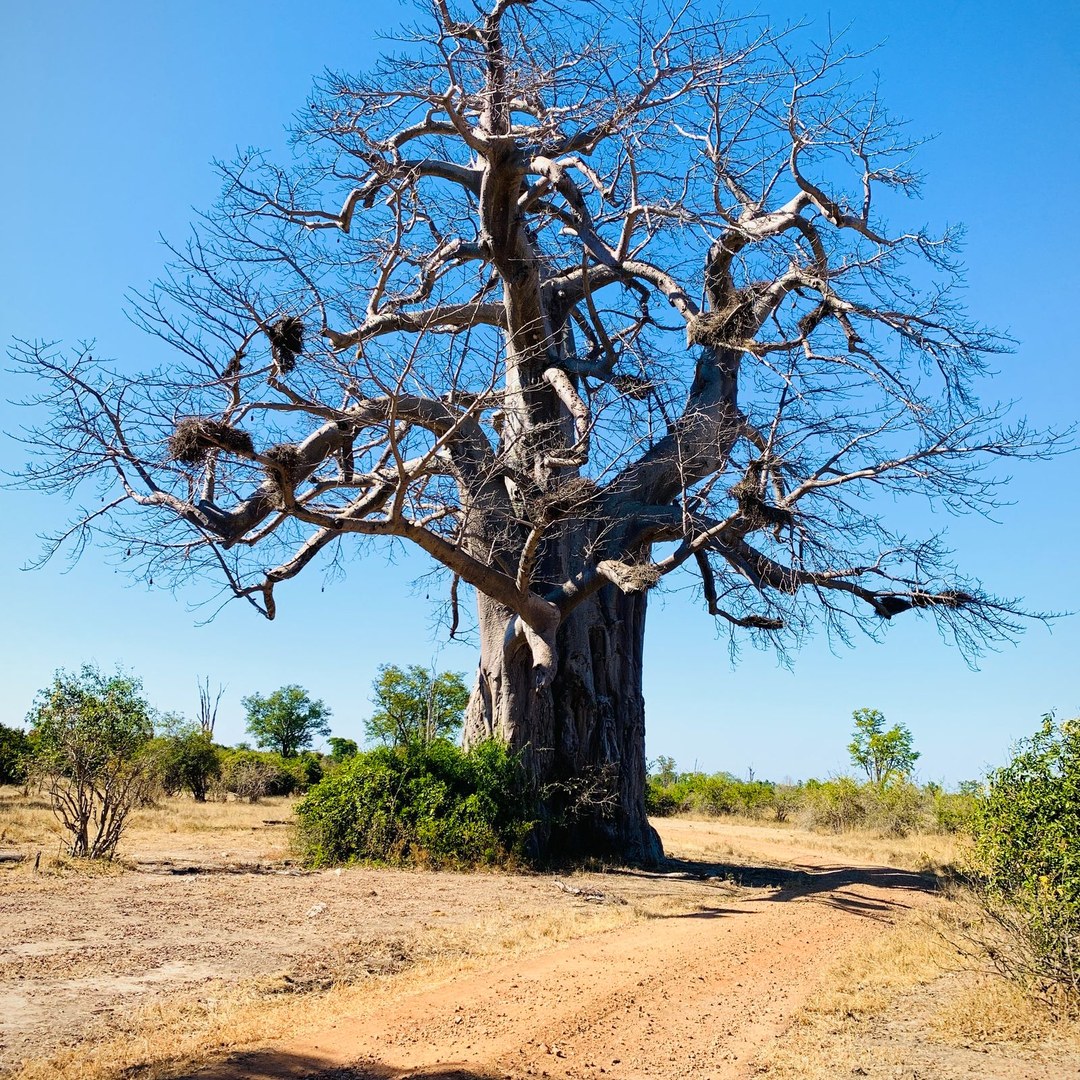
When the water runs short the tree drops every leaf in one move. It spends more of the year bare than green. From a distance in those months it looks like something that has given up.
It has not given up. The trunk is still holding the water it saved. The roots are still spread wide under the soil, and nothing in the tree stopped working. All that happened is that the visible part went.
We have written before about the tree that looks planted the wrong way up. That reputation comes from this. Take the leaves away and the branches stop reading as a crown. They look like roots held in the air, and the tree looks like it was pulled out of the ground and pushed back in upside down. Nothing had happened to the tree. The surface had gone.
The part that is not the tree
Leaves are the cheapest thing a tree can grow and the quickest thing it can replace. They are also the only part most of us ever really look at. The tree is met through its leaves and carried by everything underneath them.
We run on the same arrangement, with less patience for it. Ask someone how they are and they answer with their leaves, the busy week, the good news, the thing they are managing. The trunk does not get into the conversation, which is a loss, because the trunk is where the water is kept.
Nothing is lost when the green goes
A tree without leaves has not failed at anything. It has spent what it can replace and kept what it cannot, and it will spend the next weeks doing very little that anyone can see.
The new growth comes back from where it was stored. When the rain returns, the leaves come out of buds that waited on branches that never went anywhere. Nothing had to be invented, and the bare months did not make the tree into a different tree.
We have written before about what changes when we stop looking and start seeing. A bare tree is a small test of it. What we see is an absence. What is there is a tree doing the thing it does every year, with everything it needs already in place.
In parts of West Africa, baobab leaves are food. They are gathered young, cooked as a green vegetable, and dried for the months when there is nothing fresh. So the part the tree lets go of ends up feeding somebody, which is worth keeping beside the idea that a thing you cannot see any more has been wasted.
A practice for the week
Pick one thing you show people, one of your leaves. The polish, or the version of you that always has an answer.
Put it down for a week somewhere it is safe to put it down, and leave the rest of your life where it is. Then watch what carries on without it. Very often the answer is everything, and the thing you were holding was doing less work than you thought.
Leaves are work the tree can afford, in the season that allows it. When the season turns they go, and the tree is still standing where it was, holding water it does not mention.
What are you holding in place that could fall, and be grown back?
The Eye watches. The Tree stands. The Delve awaits.