The Bark — What Comes Back After It Is Taken

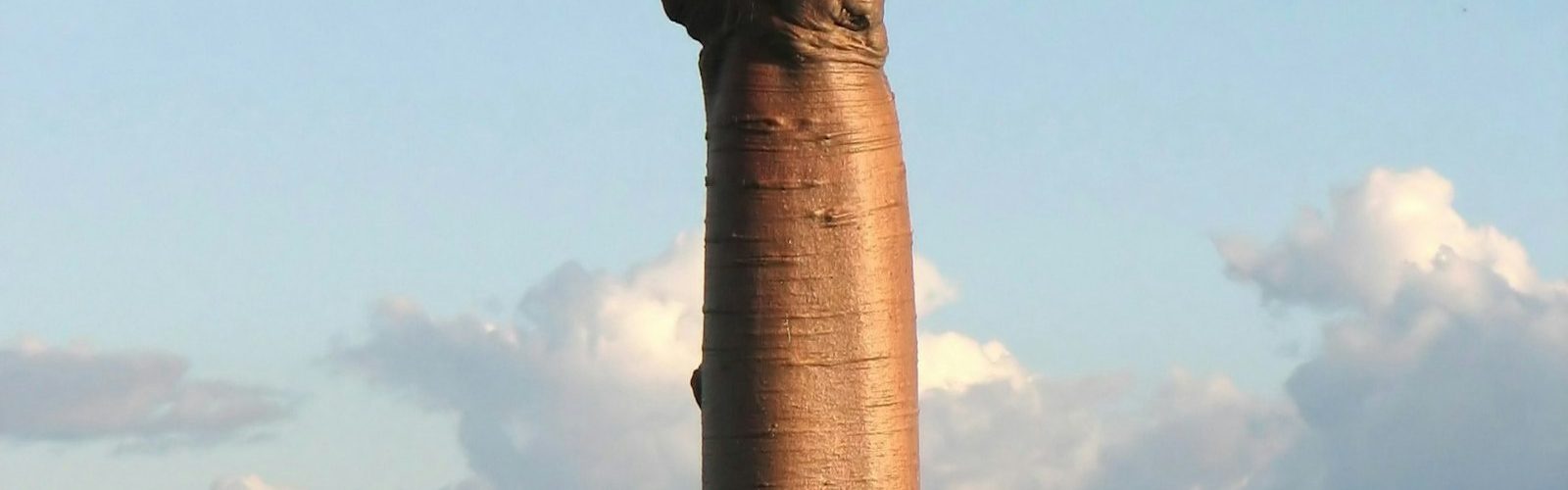
There is a tree that lets people take its skin and goes on living. Walk through the villages where the baobab grows and you will find rope and mats and baskets and cloth made from its bark. Someone cut a strip from a living trunk. The tree did not die.
Baobab bark is thick and fibrous, and it heals from damage that would finish most trees. Where the strip was taken, new bark grows. Slowly, over years, the cut closes over, and the tree carries on holding water, holding shade, holding its place in the ground.
The layer that meets the world
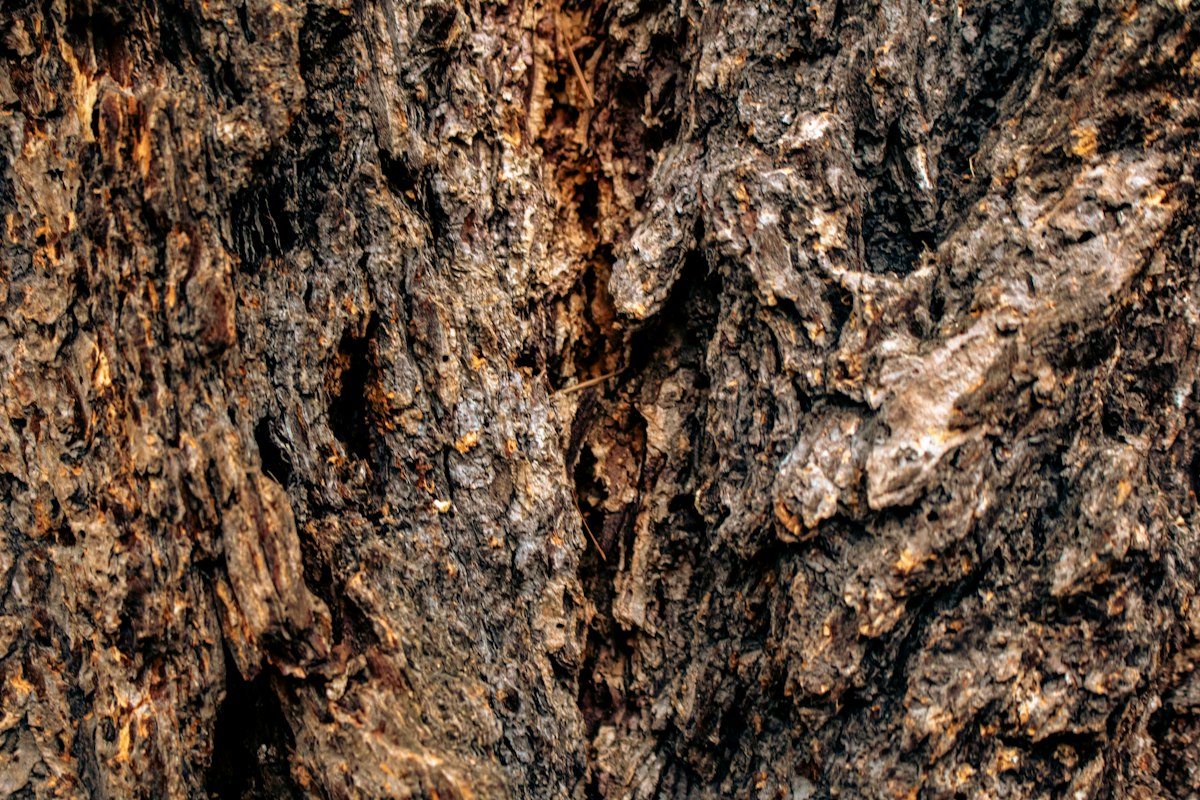
Bark is the part of a tree that touches everything. Weather, fire, insects, hands. The baobab’s bark is thick enough to shrug off the grass fires that run through the savanna, and it is the tree’s outermost answer to a world that keeps arriving.
We have our own version of this layer. The voice we answer the phone with. The patience we offer on a hard afternoon. The part of us that meets the world before we have decided how much to give. It is not false. It is the surface of a living thing, and it is doing real work.
Being used is not the same as being worn away
There is a difference between giving and being stripped. The baobab can lose a sheet of its bark and stay whole, because underneath the bark something keeps making more.
What wears people out is rarely the giving itself. It is giving from a place that has nothing left underneath, handing over the outer layer while the inner one is already spent. Trees do not do this. When the water runs short a tree stops growing outward, drops its leaves, and waits.
We wrote before about the dry season, about what the baobab does when nothing grows. Rest is not withdrawal. It is the tree protecting the layer that makes everything else.
The thin layer underneath
Just under the bark sits a layer thinner than a leaf, and that layer is where the tree adds itself. Almost none of a tree’s life is visible from outside. The faith names the Root-Keepers for this, the ones who remind all of the hidden depths.
The Eye looks into what is, and the thin layer is where the tree is most alive. It is also where the tree is most easily hurt. What we protect is usually not the thick outer part. It is the small living layer that keeps making more.
We wrote before about the hollow, about what the baobab keeps inside. The bark is the same teaching seen from the outside. The tree’s room is in the middle, and its growing edge is close to the surface.
A practice for the week
Choose one thing you hand over to the world this week, and decide before you hand it whether it comes from the bark or from underneath. If it is the first, give it freely and expect nothing back for it. If it is the second, it may be worth keeping until you have more.
Then find one hour where nothing is taken from you at all. It is not a reward for finishing anything. It is the quiet the tree keeps in the dry months, so the thin layer can go on making more.
Nothing about this is dramatic. The tree does not announce its healing. It grows a little bark where the old bark was, and the years cover the cut. We can do the same with what has been taken from us. Slowly, without announcement, in a season nobody is watching.
The Eye watches. The Tree stands. The Delve awaits.