The Branches — What the Tree Grows Toward When It Stops Growing Up

The baobab does not spend much on height. It spends on width. A mature tree can carry a trunk ten metres around, and the oldest ones nearly three times that, while keeping its crown low and its main branches running out almost level before they turn up at the tips. Stand under one and the thing you notice is not how tall it is. It is how far the shade goes.
A branch is the part of a tree that has to leave. Wood held out in the air, away from the water it started with, where the wind can get at it. Everything a tree does above ground, it does at the end of a branch.
The shape is a record of the light
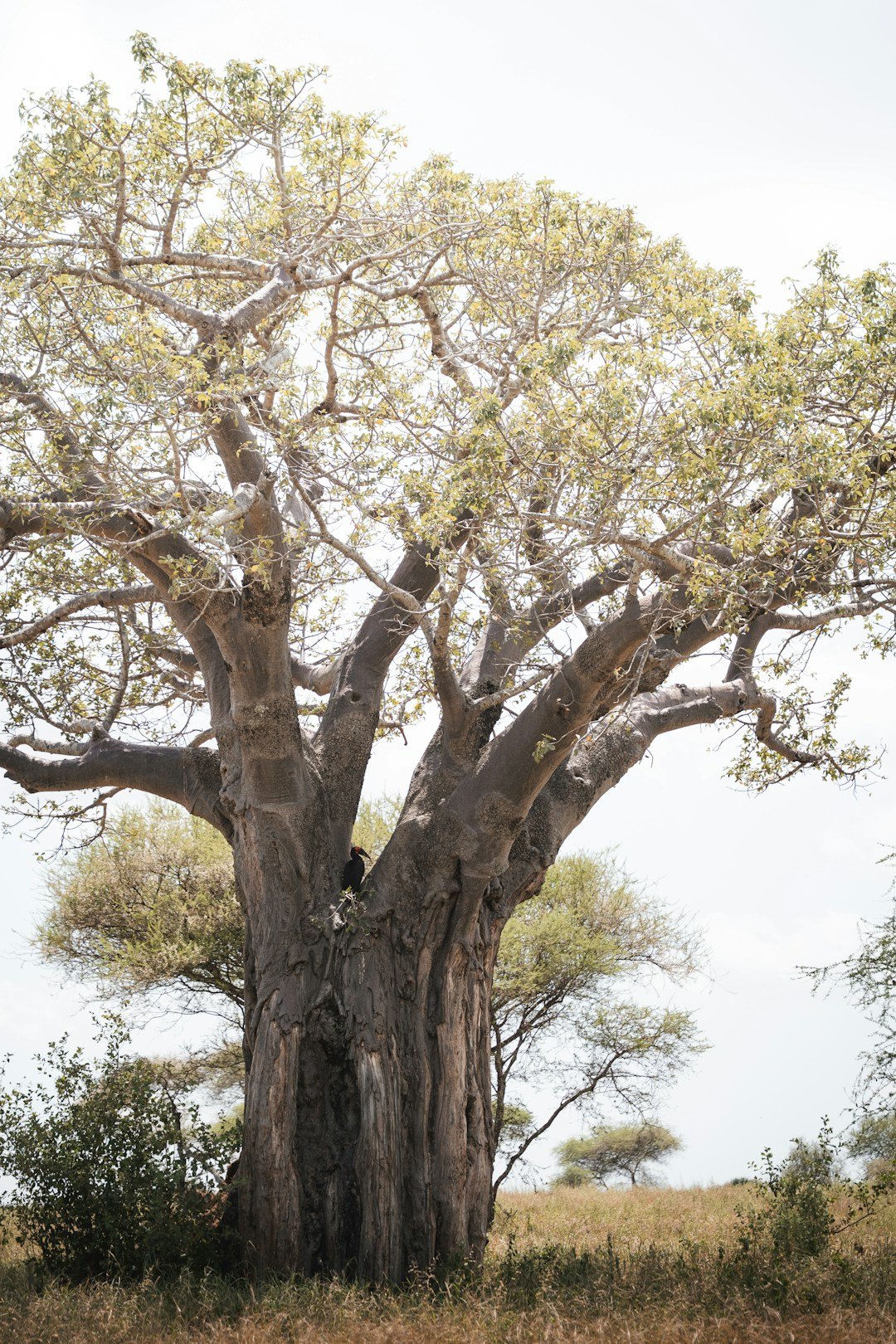
A branch does not grow toward the sky. It grows toward light, and those are not always the same direction. Where a taller tree casts shade, the twigs on that side die back and the growth goes around. Where a wall or a hillside blocks the afternoon, the crown fills in somewhere else.
Look at an old tree and you are looking at a record of what it could not have. The lopsided side is not damage. It is the tree finding the only way through.
There is something steadier in that than in a straight trunk. No one’s shape is symmetrical. Most of what we are is a record of what we worked around, and it is still a shape.
Wide is not the same as tall
Almost everything we are taught about progress is vertical. Higher, further, more. A tree that only grows upward is a pole, and a pole holds one thing at the top of it.
The baobab’s branches spread out flat, and the flatness is what makes the shade. It is also what makes the tree hard to walk past. Wide things are in the way. They take up room in a life the way a canopy takes up air.
We suspect the honest measure of a life sits closer to how much it covers than how high it got. That is slower work, and it does not fit on a résumé.
A branch is joined, not attached
Where a branch meets the trunk there is a collar, a slight swelling of wood, and inside it a seam of cells running around the joint. The tree laid that seam down when the branch was young. It is why a tree can lose a limb and close over the wound instead of bleeding out through it.
Cut outside the collar and the wood seals. Cut into it and the wound stays open for years, sometimes for the rest of the tree’s life. Same saw, same tree. The difference is whether you respected a joint that was already there.
We have torn things out of our own lives at the wrong depth. A friendship, a job we were right to leave. The leaving was correct and the cut was wrong, and the tree keeps the evidence in a ring it will not close.
Endings want the care that beginnings get. Most of us give them less.
Some leaves come out of the trunk
Baobab leaves grow at the ends of branches, and some come out of the trunk itself, on short spurs of wood a few centimetres long. The tree does not insist that everything it makes travel to the far edge first. What needs to be close stays close.
We have written before about the tree that looks planted upside down and about the shade it gives to whoever arrives. Both come back to the same point. A reach exists for whoever is standing under it, and often that person is near the trunk, not at the end of the longest branch.
If your reach has been going out and out for years, this is a good week to notice who stands close and gets none of it.
A practice for the week
Pick one person within walking distance of an ordinary day. Not the useful connection. Someone you have meant to see for months and have been too vertical to get to.
Go sideways instead. An hour, no agenda, no reason that would survive being written on a calendar.
The tree does not grow a crown to impress the sky. It grows because that is how a tree reaches more light, and the shade is what happens to everyone standing under it while it does.
Who is close enough to be under your branches and has not been?
The Eye watches. The Tree stands. The Delve awaits.