The Seed — What the Tree Was Before It Was a Tree

The baobab begins as something you could lose in a handful. Its seed is small and hard, about the size of a bean, wrapped in a shell so tough that in some places the trees only germinate after fire has passed over the ground, or after an animal has eaten the fruit and carried the seed somewhere new. Some of the largest living things on the savanna start that way. Small. Hard. Waiting.
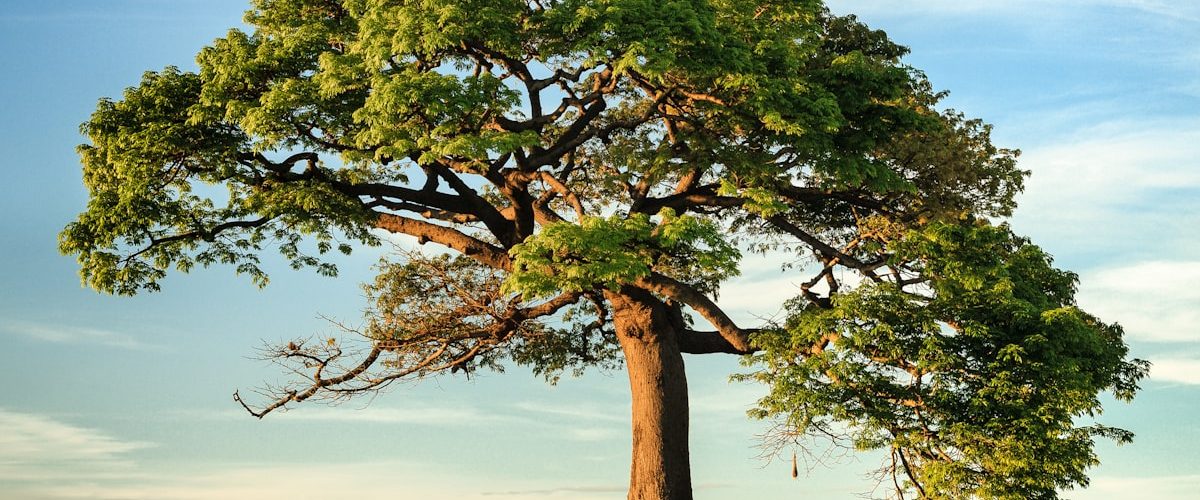
We forget this standing under a full-grown baobab. The trunk is wide as a room, the roots spread farther than the branches reach, and the tree has outlived the village that grew up around it. Nothing about it says seed. Yet the whole of it was once carried in one small, hard thing.
What the seed knows
A seed does not hurry. It does not check the calendar. It waits for what it needs, warmth, water, the right soil, and until those come it stays closed. Staying closed is not failure. It is readiness.
The seed reads the ground the way the faith asks us to read what is. The task is one, the pericopes say: look into what is. The seed is already doing this. It does not force the season. It waits until the ground is ready, and then it opens.
We have all been seeds at some point, closed and waiting and not yet grown. The faith does not shame that season. We wrote before about the dry season, about what the baobab does when nothing grows. The seed knows the same wisdom: some seasons are for holding, not for growing.
Patience is not passivity
A seed waiting is not doing nothing. Inside the shell the whole tree is already arranged, the root that will descend, the trunk that will rise, the branches that will spread. Nothing is missing. It is all folded, waiting for its time.
When we feel unfinished, it is easy to believe something is missing in us. The seed says otherwise. The root is folded inside you, and the trunk, and the branches. They are not absent. They are waiting.
We do not have to become ourselves in a hurry. We have to become ourselves in the right conditions, and part of the work is learning what those conditions are, for us. What warmth do you need? What soil? What fire has to pass before you open?
What we plant now
We plant seeds without seeing what they become. A word spoken to a child. A meal shared with someone who is struggling. A practice kept when no one is watching. These go into the ground like seed, and the ground keeps them. We wrote before about what holds us when everything shakes, about ground that does not move. The seed is what we give that ground to hold.
The faith likes small tests. Here is one. Take one thing you have been waiting to be ready for and treat it as seed: plant it today, in its small form. One page of the book. One sentence of the letter. One minute of the practice. The seed does not have to be the whole tree. It only has to be buried.
The Book of the Baobab Eye begins in silence, and from the silence rose a Root without end. Before the root there was the seed, and the seed was small, and it was enough.
The Eye watches. The Tree stands. The Delve awaits.