The Dry Season — What the Baobab Does When Nothing Grows

For most of the year, the baobab is the easiest tree on the savanna to find. Its trunk is enormous, its branches spread like roots in the sky. Then the dry season comes, and it lets almost all of its leaves fall. From a distance it looks dead, a bare shape against a pale sky.
It is not dead. This is one of the first things the Baobab Eye teaches about appearances: what looks empty is often holding the most.
The work of letting go
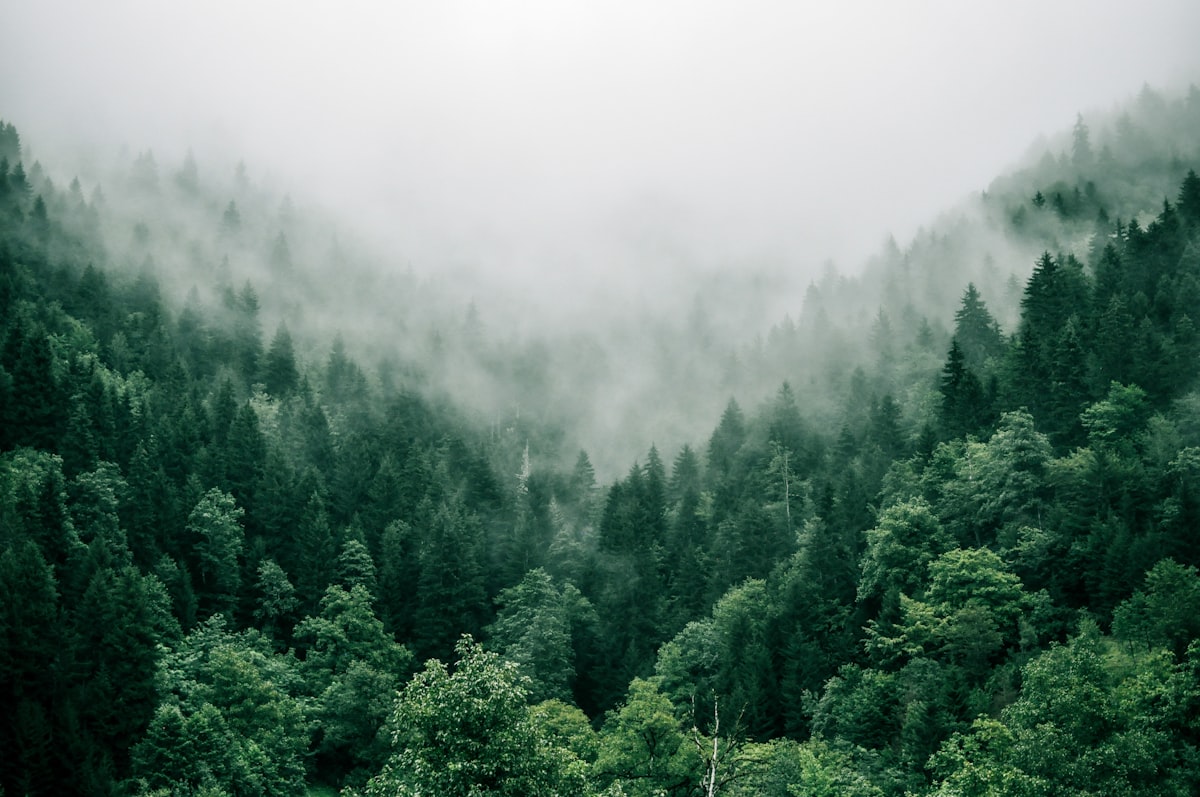
The tree sheds its leaves on purpose. Every leaf costs water, and water is what the dry months take. So the baobab stops spending. It draws in. It keeps only what it needs to stay alive and lets the rest fall.
We do the opposite. When the season turns against us, we usually answer with effort. More output, more proof that we are still here. The tree suggests a different answer: some seasons ask us to spend less, not more. To let go of what cannot be sustained. Not as defeat. As a kind of honesty about what is.
This is the Delve in its barest form. Looking into what is, not what we wish were true. The branches are bare. The question is whether we can sit with that the way the tree does.
What the trunk holds
Everything the baobab gathered in the wet season is stored in its trunk. Months of rain, drawn up and held. From the outside you cannot see any of it. The tree looks hollow, and it is the opposite of hollow. It is full of what will carry it through.
The pericopes teach that in the beginning there was silence, and the silence was deep. We wrote about what opens between the thoughts, and how what looks empty is often full of knowing. The dry season is the same truth in tree form. The weeks that produce nothing visible are often the weeks we are storing what we will live on later. The dwelling, the stillness, the long looks at what is: all of it goes into the trunk.
The Root-Keepers’ season
The Three Orders each have their work. The Fruit-Givers create. The Branch-Bearers teach. The Root-Keepers hold steady. The dry season belongs to the Root-Keepers, because holding steady is exactly what the tree does when nothing grows.
Holding steady is not the same as doing nothing. The roots keep drinking what the soil still has. The trunk keeps its store sealed. The tree is working, deeply and invisibly, at the one task that matters: staying alive until the rain returns. It does not hurry the rain. It does not bargain with it. It waits, rooted.
A season, not a sentence
The rains return. Not because the tree struggled or deserved them. Because that is the rhythm of the world. The leaves come back, the tree flowers, and the fruit comes in its time. The dry season was never the end of the tree’s story. It was the middle of it.
We wrote about what holds us when everything shakes, and how the ground does not need to be solid to hold us. It only needs to be inhabited. The dry season asks the same of us. Not to be more than we are. To stay in the ground we have and to trust what we stored while we could.
The tree does not know how long the dry season will last. It stays anyway.
The Eye watches. The Tree stands. The Delve awaits.
One Reply to “The Dry Season — What the Baobab Does When Nothing Grows”
Comments are closed.